Is Ibogaine Legal in Canada? What Canadians Need to Know
If you are searching for “Is ibogaine legal in Canada?”, you may find conflicting information online. Some websites describe ibogaine as legal, while others simply call it illegal. The actual Canadian regulatory situation is more nuanced.
For Canadians researching ibogaine treatment, addiction recovery, or the therapeutic potential of iboga, understanding the difference between legal status, prescription status, and Health Canada authorization is important.
This guide explains what Canadians should know about ibogaine in Canada, including its regulatory status, prescription classification, importing considerations, and why people should verify current information before making decisions involving ibogaine.
What Is Ibogaine?
Ibogaine is a naturally occurring psychoactive alkaloid found primarily in the root bark of Tabernanthe iboga, a plant native to Central-West Africa.
Iboga and ibogaine have attracted international interest because of their traditional and contemporary use and because researchers have investigated ibogaine in connection with substance-use disorders and addiction.
However, interest in ibogaine does not mean that ibogaine is an approved medicine in Canada.
Health Canada describes ibogaine as a psychoactive alkaloid extracted from the root bark of Tabernanthe iboga. Health Canada has also reported serious and fatal adverse reactions associated with ibogaine use.
Is Ibogaine Legal in Canada?
The short answer is: ibogaine is not an authorized medicine for general sale or use in Canada.
This is an important distinction.
In 2017, Health Canada added ibogaine and its salts, derivatives, and analogues to the Prescription Drug List (PDL). At the same time, Health Canada explicitly stated that ibogaine was not authorized for use in Canada.
Being listed on the Prescription Drug List does not mean that Canadians can simply purchase an approved ibogaine prescription product from a pharmacy.
Instead, the regulatory framework means that products containing ibogaine are subject to Canadian drug regulations and prescription requirements, while ibogaine itself has not received Canadian market authorization as an approved medicine.
Therefore, Canadians should be cautious about websites claiming that ibogaine is simply “legal in Canada” without explaining these distinctions.
Prescription Status Does Not Mean Market Authorization
One of the biggest sources of confusion surrounding ibogaine legality in Canada is the difference between prescription status and market authorization.
A prescription drug can be subject to prescription requirements while still not being authorized for ordinary commercial sale.
Health Canada explains that a market authorization is the legal authorization allowing a drug to be sold in Canada after meeting applicable regulatory requirements.
Health Canada specifically identified ibogaine as a prescription drug in 2017 but also stated that it was not authorized for use in Canada.
For this reason, the phrase “ibogaine is a prescription drug in Canada” should not be interpreted as meaning that Canadians can obtain commercially available, Health Canada-approved ibogaine from a normal pharmacy.
Can Canadians Buy Ibogaine Online?
Canadians may encounter websites advertising ibogaine online, ibogaine capsules, ibogaine hydrochloride, iboga products, or treatment programs.
However, an online listing does not establish that a product is legally authorized for sale in Canada.
Health Canada warns that health products purchased from outside Canada can present regulatory and safety issues. Products may be detained, refused entry, or seized if they do not comply with Canadian requirements.
Health Canada also advises individuals to be aware of the risks associated with purchasing health products online, including counterfeit products, incorrect active-ingredient concentrations, contamination, and other quality problems.
For Canadians considering ibogaine, it is therefore important to distinguish between:
- A website advertising a product
- A product being shipped to Canada
- A prescription classification
- A product having Canadian market authorization
- A product being legally available through an authorized Canadian pathway
These are not necessarily the same thing.
Can You Import Ibogaine Into Canada?
Importation is another area where the rules can become complicated.
Health Canada’s guidance states that prescription drugs have specific import requirements and that Canadian residents are generally not permitted to import prescription drugs by mail or courier, subject to certain exceptions.
Health Canada also notes that some health products can be subject to additional restrictions under other federal laws, including the Controlled Drugs and Substances Act (CDSA).
This means Canadians should not assume that because an ibogaine product can be purchased from a foreign website, it can legally be shipped into Canada.
Canadian border authorities can detain health products for inspection, and products found to be non-compliant may be refused entry or seized.
If you are considering importing any product containing ibogaine, it is important to verify the current Canadian requirements rather than relying on information from an overseas seller.
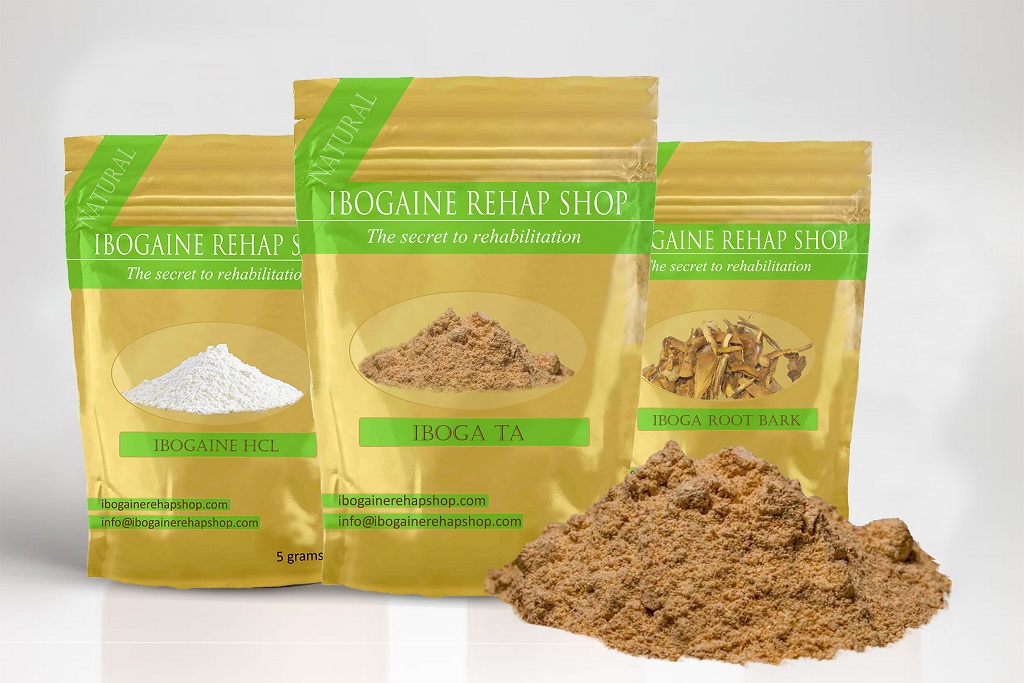
What About Iboga Root Bark?
Iboga root bark and purified ibogaine are not necessarily identical from a regulatory perspective.
Iboga root bark is a botanical material containing naturally occurring alkaloids, including ibogaine. Ibogaine, on the other hand, refers to a specific psychoactive alkaloid.
The legal and regulatory treatment of a botanical product can depend on its composition, intended use, claims, preparation, and applicable Canadian legislation.
For this reason, it is not accurate to assume that the legal status of iboga root bark, iboga extract, iboga TA, and ibogaine hydrochloride is automatically identical.
Canadians should examine the specific product and intended use rather than treating all iboga-related products as legally interchangeable.
What Does Health Canada Say About Ibogaine Safety?
Legal status and safety are two separate questions.
Health Canada has previously warned about ibogaine after receiving reports of serious and fatal adverse reactions. Its 2017 regulatory notice states that the decision to add ibogaine to the Prescription Drug List was intended to provide greater regulatory oversight and reduce potential harm associated with unauthorized ibogaine products.
This is particularly important because ibogaine can have significant physiological effects.
Anyone considering ibogaine should speak with an appropriately qualified healthcare professional about potential risks, medications, medical history, and possible interactions before making decisions about its use.
Information about ibogaine should not be treated as a substitute for individualized medical advice.
Can Ibogaine Be Accessed Through Canada’s Special Access Program?
Canada has a Special Access Program (SAP) that allows Canadian practitioners to request certain drugs that are not marketed in Canada for patients with serious or life-threatening conditions when conventional therapies have failed, are unsuitable, or are unavailable.
Health Canada’s guidance explains that drugs obtained through the SAP are not authorized for general sale to the Canadian public. An SAP authorization also does not mean that Health Canada has determined that a drug is safe, effective, or high quality for general use.
Whether a particular ibogaine product or request could qualify is a matter for Health Canada and the appropriate Canadian practitioner under the applicable requirements.
Therefore, the SAP should not be understood as a general consumer pathway for purchasing ibogaine.
Why Canadian Ibogaine Laws Can Be Confusing
There are several reasons people searching for ibogaine Canada legal status can find contradictory information.
First, Canadian drug regulations distinguish between substances that require a prescription and products that have actually received market authorization.
Second, different forms of iboga-related material may raise different regulatory questions.
Third, Canadian federal laws governing health products, controlled substances, imports, and exemptions can interact.
Finally, laws and regulatory policies can change.
Health Canada notes that controlled substances are regulated through federal legislation and that certain activities involving controlled substances can be prohibited unless authorized through applicable regulations or exemptions.
For that reason, Canadians should rely on current information from Health Canada and other official Canadian authorities when determining what is permitted.
What Should Canadians Check Before Pursuing Ibogaine?
If you are researching ibogaine treatment in Canada or considering an ibogaine program outside Canada, there are several questions worth asking.
1. Is the product authorized in Canada?
Do not assume that a product is Health Canada-approved simply because it is advertised online or described as pharmaceutical grade.
2. What exactly is the product?
Ask whether you are dealing with iboga root bark, an extract, total alkaloid material, ibogaine hydrochloride, or another preparation.
3. What are the medical risks?
Ibogaine can involve significant health risks, and Health Canada has reported serious and fatal adverse reactions.
4. What are the rules where treatment takes place?
If you are considering treatment outside Canada, the laws of that country or jurisdiction may be different from Canadian law.
5. Is medical screening provided?
A responsible program should take health history, medications, contraindications, and emergency planning seriously rather than treating ibogaine as a risk-free wellness product.
Is Ibogaine Legal in Canada in 2026?
As of 2026, the key point for Canadians remains that ibogaine is listed on Canada’s Prescription Drug List but is not authorized for use in Canada as a marketed medicine according to Health Canada’s published information.
That means the simple statement “ibogaine is legal in Canada” is misleading without additional context.
Likewise, saying simply “ibogaine is illegal” does not accurately describe the entire Canadian regulatory framework.
The more precise explanation is that ibogaine is subject to Canadian prescription-drug regulation, has not been authorized for general use in Canada, and may be subject to additional requirements depending on the product, activity, and circumstances.
Because regulations can change, Canadians should verify the current position with Health Canada before importing, purchasing, possessing, or using an ibogaine-containing product.
Final Thoughts
Interest in ibogaine in Canada continues to generate questions about legality, accessibility, treatment, research, and safety.
For Canadians, the most important distinction is between being listed as a prescription drug and being authorized for sale as an approved medicine.
Health Canada’s published position is that ibogaine and its salts, derivatives, and analogues were added to the Prescription Drug List in 2017, while ibogaine was not authorized for use in Canada.
Anyone researching ibogaine should therefore look beyond simple claims such as “legal” or “illegal.” Understanding the specific product, Canadian regulatory requirements, import rules, medical considerations, and available legal pathways provides a much clearer picture.
For the most current information, consult official Canadian sources such as Health Canada and the Canada Border Services Agency, and speak with a qualified Canadian healthcare professional about individual medical considerations.
Important: This article is provided for educational purposes only and is not legal or medical advice. Canadian regulations can change, and individual circumstances may affect how the rules apply.