Is Ibogaine Legal in Canada in 2026? What Canadians Need to Know
If you are searching for “Is ibogaine legal in Canada in 2026?”, the answer requires more explanation than simply saying yes or no.
Ibogaine has attracted significant interest among researchers and people exploring alternatives for substance-use treatment. At the same time, Canadian regulations place ibogaine under federal prescription-drug rules, and Health Canada states that ibogaine is not authorized for use in Canada.
Understanding the difference between being classified as a prescription drug, being authorized for sale, and being available through a specific regulatory pathway is essential for anyone researching ibogaine in Canada.
This guide explains the current Canadian regulatory picture and what Canadians should know before purchasing, importing, or pursuing ibogaine-related treatment.
Is Ibogaine Legal in Canada in 2026?
As of 2026, ibogaine and its salts, derivatives, and analogues are listed on Canada’s Prescription Drug List (PDL).
Health Canada added ibogaine to the Prescription Drug List in May 2017 after determining that it met the criteria for prescription status. Health Canada also stated explicitly that ibogaine is not authorized for use in Canada.
This creates an important distinction:
Ibogaine is prescription-regulated in Canada, but it is not an authorized medicine for general use or sale in Canada.
Therefore, describing ibogaine simply as “legal” can be misleading without explaining the regulatory context.
Why Was Ibogaine Added to Canada’s Prescription Drug List?
Health Canada added ibogaine to the Prescription Drug List in 2017 following a scientific review.
According to Health Canada, the decision was influenced by reports of serious and fatal adverse reactions associated with ibogaine.
The regulatory change was intended to provide greater oversight of ibogaine products. Health Canada explained that prescription status would allow it to restrict the sale of ibogaine products, limit compounding, and provide enforcement authorities with additional powers concerning products that do not comply with Canadian legislation.
This is important when evaluating websites that describe ibogaine as an ordinary supplement or unrestricted natural product.
Prescription Status Does Not Mean Ibogaine Is an Approved Medicine
One of the most common misunderstandings about ibogaine legality in Canada involves the difference between prescription status and market authorization.
Health Canada’s Prescription Drug List identifies substances that require a prescription when contained in medications covered by the listing. Health Canada explains that prescription drugs are subject to federal requirements and, generally, can only be sold to the public through authorized channels on a practitioner’s prescription.
However, ibogaine’s presence on the Prescription Drug List does not mean that Canada has approved ibogaine as a medication for addiction treatment.
Health Canada’s specific notice concerning ibogaine states that it “is not authorized for use in Canada.”
Consequently, Canadians should distinguish between:
- Prescription status
- Market authorization
- Clinical research
- Special access
- Commercial availability
These are separate regulatory concepts.
Can You Buy Ibogaine Legally in Canada?
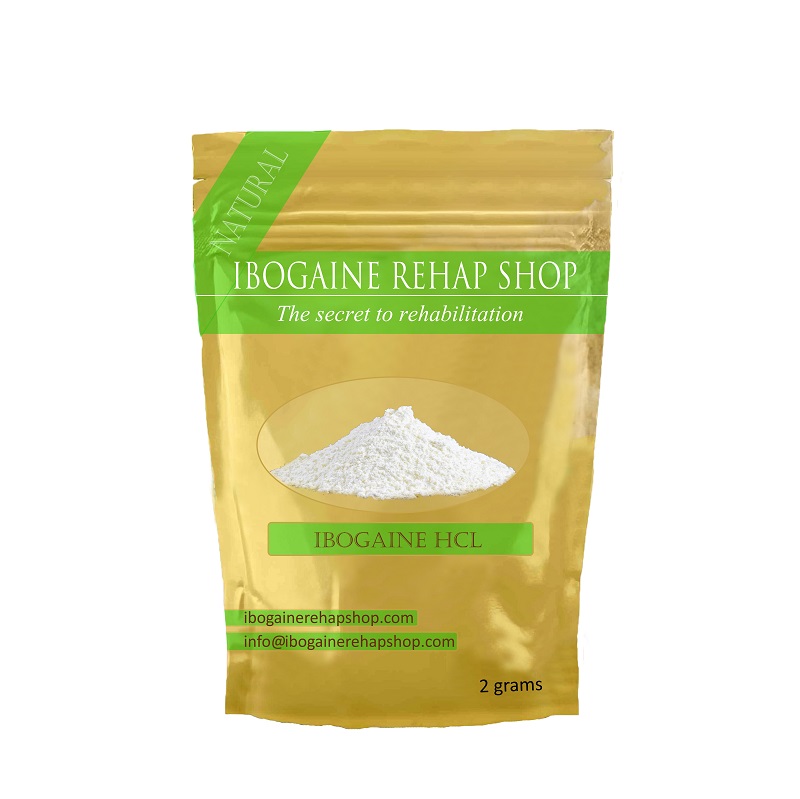
Canadians may encounter websites advertising ibogaine for sale in Canada, ibogaine capsules, ibogaine hydrochloride, iboga extracts, or other iboga-related products.
An online advertisement, however, does not establish that the product is authorized for sale in Canada.
Health Canada’s regulatory framework places restrictions on prescription drugs, and ibogaine is specifically identified as a prescription drug that is not authorized for use in Canada.
Consumers should therefore be cautious about websites making simple claims such as:
“Ibogaine is completely legal in Canada.”
Such statements can leave out important information about prescription requirements, authorization status, product classification, and importation.
Can Canadians Import Ibogaine?
Importation is another issue that should be considered separately from domestic possession or purchase.
Canada has federal rules governing the importation of health products and drugs. Depending on the product and circumstances, prescription drugs and controlled substances can be subject to additional requirements.
For substances that fall under the Controlled Drugs and Substances Act (CDSA), Health Canada explains that activities including importation, exportation, possession, production, and sale are prohibited unless authorized by the applicable regulations or an exemption.
This means Canadians should not assume that an overseas website shipping ibogaine to Canada means that the shipment is automatically lawful.
Before attempting to import an ibogaine-containing product, Canadians should verify the current requirements with the appropriate Canadian authorities.
Is Ibogaine a Controlled Substance in Canada?
This is another area where terminology matters.
Canada’s Prescription Drug List and the Controlled Drugs and Substances Act are separate regulatory systems.
Health Canada explains that the Prescription Drug List does not contain every medicinal ingredient that requires a prescription federally. Many controlled substances are instead regulated through the schedules and regulations associated with the CDSA.
For this reason, it is better not to assume that every substance requiring a prescription is automatically a controlled substance under the CDSA.
For a specific ibogaine product or activity, the applicable regulatory classification should be confirmed through current Canadian government sources.
What About Iboga Root Bark?
People searching for iboga in Canada may also encounter iboga root bark, iboga extracts, total alkaloid preparations, and purified ibogaine.
These products should not automatically be treated as identical.
Ibogaine is a specific psychoactive alkaloid found naturally in Tabernanthe iboga. A botanical product such as root bark may contain multiple naturally occurring compounds.
The legal treatment of a particular product can depend on factors such as:
- Its composition
- How it has been prepared
- Its intended use
- Health claims made about it
- Whether it contains ibogaine
- How it is imported or supplied
- Which Canadian regulations apply
Therefore, Canadians should not assume that the regulatory status of iboga root bark, iboga extract, and purified ibogaine is automatically the same.
Can Ibogaine Be Accessed Through Canada’s Special Access Program?
Canada has a Special Access Program (SAP) that can allow healthcare practitioners to request access to certain drugs that have not been authorized for sale in Canada.
Health Canada explains that the program may allow practitioners to request non-marketed drugs for patients with serious or life-threatening conditions when conventional therapies have failed, are unsuitable, or are unavailable.
However, the Special Access Program is not a general consumer purchasing program.
An SAP authorization also does not mean that Health Canada has approved a drug for general use.
For anyone researching ibogaine treatment in Canada, this distinction is important. The existence of a special-access mechanism should not be interpreted as meaning that ibogaine is routinely available as an approved Canadian addiction treatment.
Is Ibogaine Approved for Addiction Treatment in Canada?
No Canadian regulatory authorization should be inferred simply from the fact that ibogaine is being researched or discussed as a potential treatment.
Health Canada’s 2017 notice specifically states that ibogaine is not authorized for use in Canada.
This means Canadians should distinguish between scientific research into ibogaine and an approved medical indication.
Researchers have investigated ibogaine in connection with opioid withdrawal, substance-use disorders, cravings, and other areas, but research findings do not automatically constitute regulatory approval.
Why Is Ibogaine Regulated?
Safety is an important part of the regulatory discussion.
Health Canada reported receiving serious and fatal adverse reaction reports associated with ibogaine before adding it to the Prescription Drug List.
Scientific literature has also identified cardiovascular concerns associated with ibogaine, including changes in cardiac electrical activity and the potential for serious arrhythmias.
For this reason, anyone researching ibogaine should take medical screening and professional healthcare advice seriously.
The legal status of a substance and its medical safety are separate questions. A substance’s regulatory classification should never be interpreted as proof that it is safe for an individual person.
What Should Canadians Know Before Buying Ibogaine Online?
If you encounter an online store advertising ibogaine in Canada, consider several questions before relying on its claims.
Is the product authorized for sale in Canada?
Do not assume that a product is Health Canada-authorized simply because it is available on a website.
What exactly is being sold?
Determine whether the product is iboga root bark, an extract, an alkaloid preparation, or purified ibogaine.
Does the seller explain Canadian regulations?
Be cautious if a website makes broad claims about legality without providing a clear explanation of Canadian requirements.
Where is the product coming from?
Products shipped internationally can raise separate importation and border-compliance questions.
Are medical risks clearly disclosed?
Responsible educational information should not present ibogaine as risk-free.
Is the information current?
Canadian drug regulations can change. Information published several years ago may not accurately describe the current regulatory environment.
Is Ibogaine Legal in Canada for Personal Use?
This question is more complicated than a simple yes-or-no answer.
Ibogaine is listed on Canada’s Prescription Drug List, and Health Canada states that it is not authorized for use in Canada.
Therefore, Canadians should not interpret the word “legal” as meaning that ibogaine is freely available for unrestricted personal purchase, sale, or use.
Specific legal consequences can depend on the product, circumstances, source, intended use, and applicable federal or provincial requirements.
Anyone dealing with a specific legal situation should obtain advice from an appropriately qualified Canadian legal professional or contact the relevant Canadian regulatory authority.
What Changed in 2026?
There is an additional reason to check current information in 2026.
Health Canada announced new Controlled Substances Regulations in December 2025, with the new regulations scheduled to replace the existing controlled-substance regulations on October 1, 2026.
This does not mean that ibogaine itself suddenly became a controlled substance. Rather, it demonstrates why information about Canadian drug regulation should be checked against current government sources.
The federal regulatory framework continues to evolve, and the precise classification of a substance should always be verified rather than inferred from older articles or commercial websites.
What Is the Bottom Line for Canadians?
So, is ibogaine legal in Canada in 2026?
The most accurate answer is:
Ibogaine is listed as a prescription drug under Canada’s federal Prescription Drug List, but Health Canada states that ibogaine is not authorized for use in Canada.
That means it is inaccurate to describe ibogaine as simply an unrestricted legal product in Canada.
At the same time, the regulatory situation should not be reduced to the word “illegal” without explaining the prescription-drug framework and potential regulatory pathways.
For Canadians researching ibogaine treatment, the important issues include:
- Canadian prescription-drug regulations
- Market authorization
- Importation requirements
- Potential controlled-substance rules where applicable
- Special Access Program requirements
- Clinical research
- Medical safety
- The specific formulation or product involved
Frequently Asked Questions About Ibogaine in Canada
Is ibogaine legal in Canada in 2026?
Ibogaine and its salts, derivatives, and analogues are listed on Canada’s Prescription Drug List. Health Canada states that ibogaine is not authorized for use in Canada.
Can I buy ibogaine from a Canadian website?
The fact that a website advertises ibogaine does not establish that the product is authorized for sale in Canada. Ibogaine is subject to prescription-drug regulation, and Health Canada states that it is not authorized for use in Canada.
Can I order ibogaine from another country?
International shipment of health products can be subject to Canadian importation requirements. Additional rules may apply depending on the product and its legal classification. Canadians should verify current requirements before attempting to import an ibogaine-containing product.
Is ibogaine approved for addiction treatment in Canada?
Ibogaine is not an authorized Canadian medicine for general addiction treatment. Health Canada’s published information states that ibogaine is not authorized for use in Canada.
Does Canada have a Special Access Program?
Yes. Canada’s Special Access Program allows eligible healthcare practitioners to request access to certain non-marketed drugs for patients with serious or life-threatening conditions when conventional therapies have failed, are unsuitable, or are unavailable.
Is iboga the same as ibogaine?
No. Iboga refers to the plant and its botanical materials, while ibogaine is a specific naturally occurring psychoactive alkaloid found in Tabernanthe iboga. Different products can therefore raise different regulatory questions.
Final Thoughts
The question “Is ibogaine legal in Canada in 2026?” cannot be answered accurately with a simple “yes” or “no.”
The clearest description based on current Health Canada information is that ibogaine is subject to prescription-drug regulation in Canada but is not authorized for use in Canada.
For Canadians researching ibogaine, understanding this distinction is important. Online availability does not necessarily mean Canadian authorization, and prescription classification does not mean that ibogaine is an approved treatment.
As regulations and scientific knowledge continue to develop, Canadians should consult current information from Health Canada and other official Canadian authorities before making decisions involving ibogaine.
Disclaimer: This article is for educational purposes only and is not legal or medical advice. Canadian regulations can change, and the application of the law can depend on the specific product and circumstances.