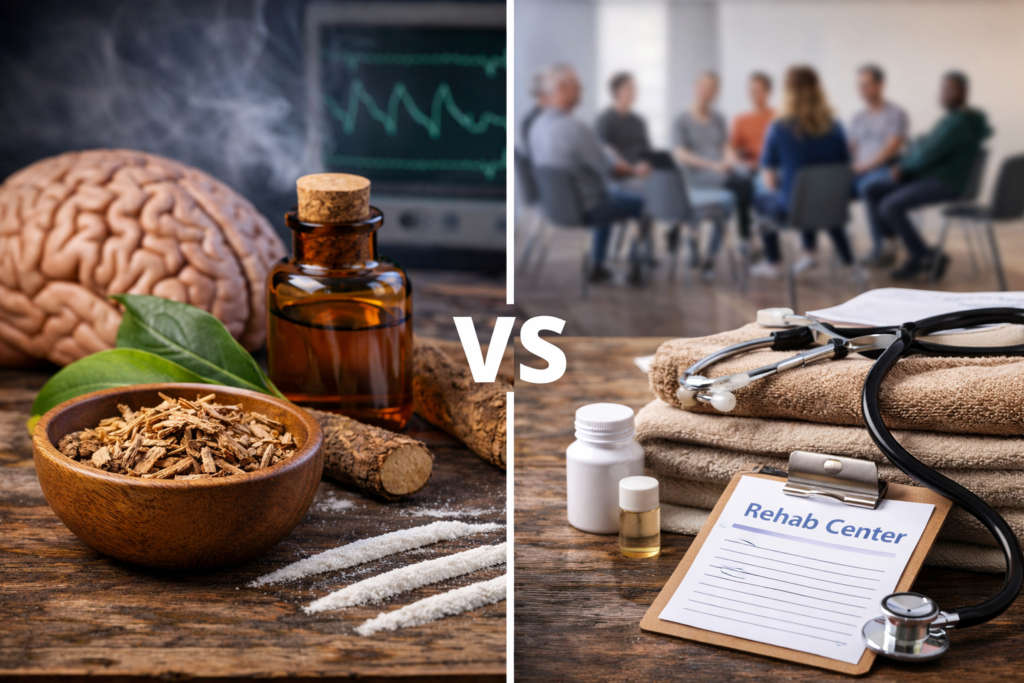
Ibogaine vs Traditional Cocaine Addiction Treatment: Which Approach Is More Effective?
Cocaine addiction is a serious and complex condition that affects both the brain and behavior. Many individuals struggling with cocaine dependence seek effective treatment options to break the cycle of addiction and regain control of their lives. Traditional addiction treatments such as rehabilitation programs, behavioral therapy, and support groups have helped many people recover. However, alternative therapies like ibogaine treatment have also gained attention for their potential role in addressing substance dependence. Buy Iboga
Understanding the differences between ibogaine therapy and conventional treatment methods can help individuals make informed decisions about recovery options.
Understanding Traditional Cocaine Addiction Treatment
Traditional cocaine addiction treatment focuses on behavioral change, psychological support, and long-term recovery strategies. Since there are currently no widely approved medications specifically designed for cocaine addiction, most programs rely heavily on therapy and structured support. Buy iboga TA
Common traditional treatment methods include:
1. Inpatient Rehabilitation Programs
Inpatient rehab centers provide structured environments where individuals can focus entirely on recovery. These programs often include medical supervision, counseling, and therapy sessions.
2. Behavioral Therapy
Behavioral therapies, such as cognitive behavioral therapy (CBT), help individuals identify the triggers that lead to drug use and develop healthier coping mechanisms.
3. Support Groups
Support groups and peer recovery programs provide ongoing emotional support and accountability. Many individuals find long-term recovery through community-based programs. Buy iboga hcl
Traditional treatment approaches typically require weeks or months of therapy and lifestyle changes to help prevent relapse.
What Is Ibogaine Therapy?
Ibogaine therapy involves the use of ibogaine, a psychoactive compound derived from the root bark of the African plant Tabernanthe iboga. It has been traditionally used in spiritual ceremonies in parts of Central Africa.
In recent years, ibogaine has gained attention for its potential to help interrupt addictive patterns in the brain. Some individuals report experiencing reduced cravings and withdrawal symptoms after undergoing ibogaine treatment.
Researchers believe ibogaine interacts with several neurotransmitter systems associated with addiction, including dopamine, serotonin, and glutamate pathways.
Key Differences Between Ibogaine and Traditional Treatment
1. Treatment Approach
Traditional Treatment:
Focuses on therapy, counseling, and behavioral change over an extended period.
Ibogaine Therapy:
Often involves an intensive experience that some believe may interrupt addictive patterns in a shorter timeframe.
2. Treatment Duration
Traditional Treatment:
Recovery programs can last from several weeks to several months, with long-term aftercare.
Ibogaine Therapy:
The primary treatment experience usually occurs over a shorter period, though aftercare and integration are still important for lasting recovery.
3. Psychological Experience
Traditional Treatment:
Focuses on gradual psychological healing through counseling and support.
Ibogaine Therapy:
Often involves a deeply introspective experience that some individuals describe as helping them confront emotional or psychological causes of addiction.
4. Scientific Research
Traditional Treatment:
Supported by decades of research and clinical evidence.
Ibogaine Therapy:
Research is ongoing, and while some studies and anecdotal reports suggest benefits, more clinical trials are needed to fully understand its effectiveness and safety.
Potential Benefits of Each Approach
Benefits of Traditional Treatment
- Structured recovery programs
- Professional therapy and counseling
- Long-term support networks
- Well-established clinical methods
Potential Benefits of Ibogaine Therapy
- May help reduce cravings
- May interrupt addictive thought patterns
- Can provide psychological insight into addiction
- Often used alongside therapy and aftercare
Safety Considerations
Both treatment approaches require careful consideration.
Traditional rehab programs are generally considered safe when supervised by qualified medical professionals. Ibogaine therapy, however, carries potential risks, including heart complications in certain individuals.
Because of these risks, ibogaine treatment should only be considered under proper medical supervision with thorough health screening.
Legal Considerations
The legal status of ibogaine varies by country. In some regions it is classified as a controlled substance, while in others it is available through specialized treatment centers or research programs.
Anyone considering ibogaine therapy should research local regulations and consult with healthcare professionals.
Which Option Is Right for Recovery?
Choosing the right treatment depends on several factors, including the severity of addiction, personal health conditions, and access to professional care.
Many addiction specialists emphasize that long-term recovery often requires ongoing therapy, lifestyle changes, and strong support systems, regardless of the treatment approach chosen.
Some individuals explore ibogaine therapy as part of a broader recovery plan that includes counseling and aftercare support.
Conclusion
Both ibogaine therapy and traditional cocaine addiction treatment offer different approaches to recovery. Traditional programs provide structured, evidence-based support over time, while ibogaine therapy has gained interest for its potential to interrupt addictive patterns and reduce cravings.
As research continues, a combination of medical care, psychological support, and long-term recovery planning remains essential for individuals seeking to overcome cocaine addiction.
Möchten Sie Peptide kaufen? Oppure stai cercando un’azienda affidabile per lo smaltimento dei pallet?