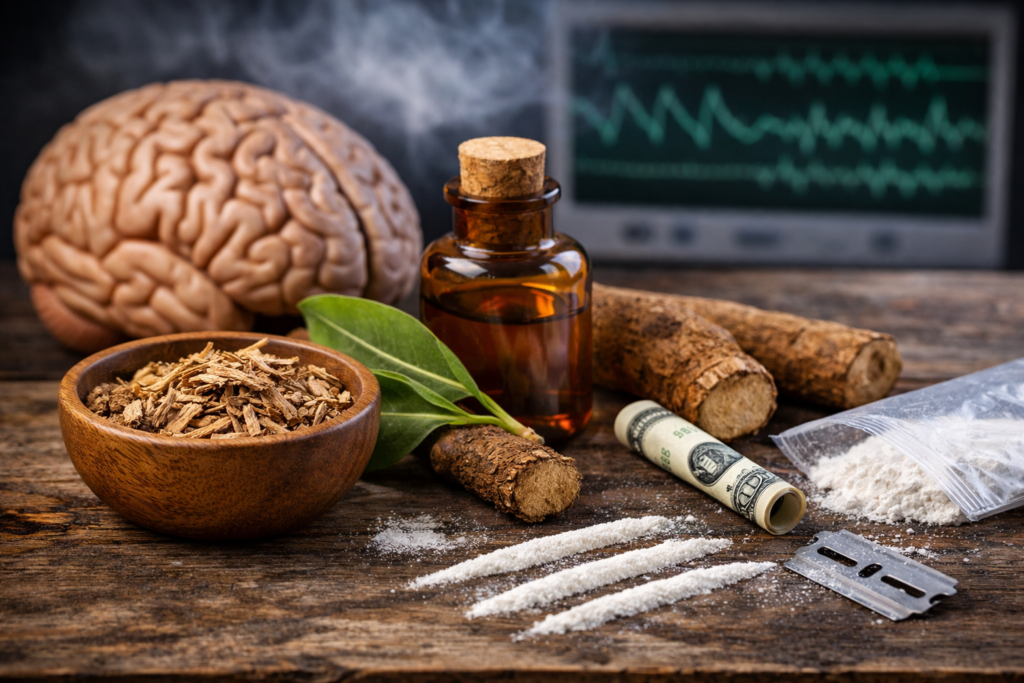
Ibogaine for Cocaine Addiction
Cocaine addiction remains one of the most challenging substance use disorders to treat. The drug strongly affects the brain’s reward system, making cravings intense and relapse common. While traditional treatments such as behavioral therapy and rehabilitation programs help many people, some individuals seek alternative approaches when conventional methods fail. One treatment gaining attention is ibogaine, a naturally occurring psychoactive compound derived from the African plant Tabernanthe iboga.
Researchers and addiction specialists have explored ibogaine’s potential to help individuals struggling with various substance use disorders, including cocaine dependence. Although it is not approved as a medical treatment in many countries, growing interest in its effects has led to ongoing research into how it may help reduce cravings and interrupt addictive patterns. Buy Iboga online
Understanding Cocaine Addiction
Cocaine is a powerful stimulant that increases levels of dopamine in the brain. Dopamine is a neurotransmitter associated with pleasure, motivation, and reward. When cocaine repeatedly floods the brain with dopamine, the brain begins to rely on the drug to experience those feelings. Buy iboga HCL
Over time, this leads to:
- Strong psychological cravings
- Compulsive drug-seeking behavior
- Reduced ability to experience pleasure without the drug
- Increased risk of relapse during recovery
Traditional treatment approaches for cocaine addiction often include counseling, behavioral therapy, and support groups. However, unlike opioid addiction, there are currently no widely approved medications specifically designed to treat cocaine dependence. Buy Iboga TA
What Is Ibogaine?
Ibogaine is a naturally occurring alkaloid found in the root bark of the African shrub Tabernanthe iboga. The plant has long been used in spiritual and ceremonial practices in parts of Central Africa.
In recent decades, ibogaine has drawn attention for its potential role in addiction treatment. People seeking ibogaine therapy often report reduced withdrawal symptoms and diminished cravings after treatment.
Ibogaine is believed to interact with several neurotransmitter systems in the brain, including dopamine, serotonin, and glutamate pathways—systems closely linked to addiction and mood regulation.
How Ibogaine May Help Reduce Cocaine Cravings
Researchers believe ibogaine’s effects on the brain may help disrupt addictive patterns associated with cocaine use.
1. Resetting Dopamine Pathways
Cocaine addiction heavily involves the brain’s dopamine reward system. Ibogaine may help regulate dopamine activity, potentially reducing the intense cravings associated with stimulant addiction.
2. Neuroplasticity and Brain Repair
Some studies suggest ibogaine may promote the release of growth factors that support neuroplasticity, the brain’s ability to reorganize and form new neural connections. This process may help the brain recover from long-term drug use.
3. Psychological Insight
Ibogaine experiences often involve deep introspection. Some individuals report gaining new insights into the emotional and psychological causes of their addiction, which can support long-term behavioral change when combined with therapy and aftercare.
Potential Benefits of Ibogaine Treatment
Although scientific research is still ongoing, anecdotal reports and observational studies suggest several potential benefits:
- Reduced cocaine cravings
- Interruption of addictive behavior patterns
- Enhanced psychological insight into addiction
- Potential support for long-term recovery when combined with therapy
However, it is important to note that outcomes can vary from person to person, and ibogaine should not be viewed as a standalone cure for addiction. Buy Iboga Capsules
Safety Considerations
Ibogaine is a powerful psychoactive substance and carries significant risks. Treatment should only be considered in medically supervised settings with proper screening.
Potential risks include:
- Heart complications in certain individuals
- Intense psychological experiences
- Interactions with other substances or medications
Because of these risks, many medical professionals emphasize the importance of comprehensive medical evaluation and professional supervision.
Legal Status of Ibogaine
The legal status of ibogaine varies by country. In some regions it is classified as a controlled substance, while in others it remains unregulated or available for research and alternative treatment programs.
Anyone considering ibogaine treatment should research the legal and medical regulations in their country and seek advice from qualified professionals.
The Importance of Aftercare
Even when individuals report reduced cravings after ibogaine treatment, long-term recovery typically requires continued support. Effective aftercare plans may include:
- Therapy or counseling
- Support groups
- Lifestyle changes that promote mental health
- Structured recovery programs
Combining ibogaine therapy with professional addiction treatment and aftercare may improve the chances of sustained recovery.